

Your cart is empty
Looks like you haven't made your choice yet
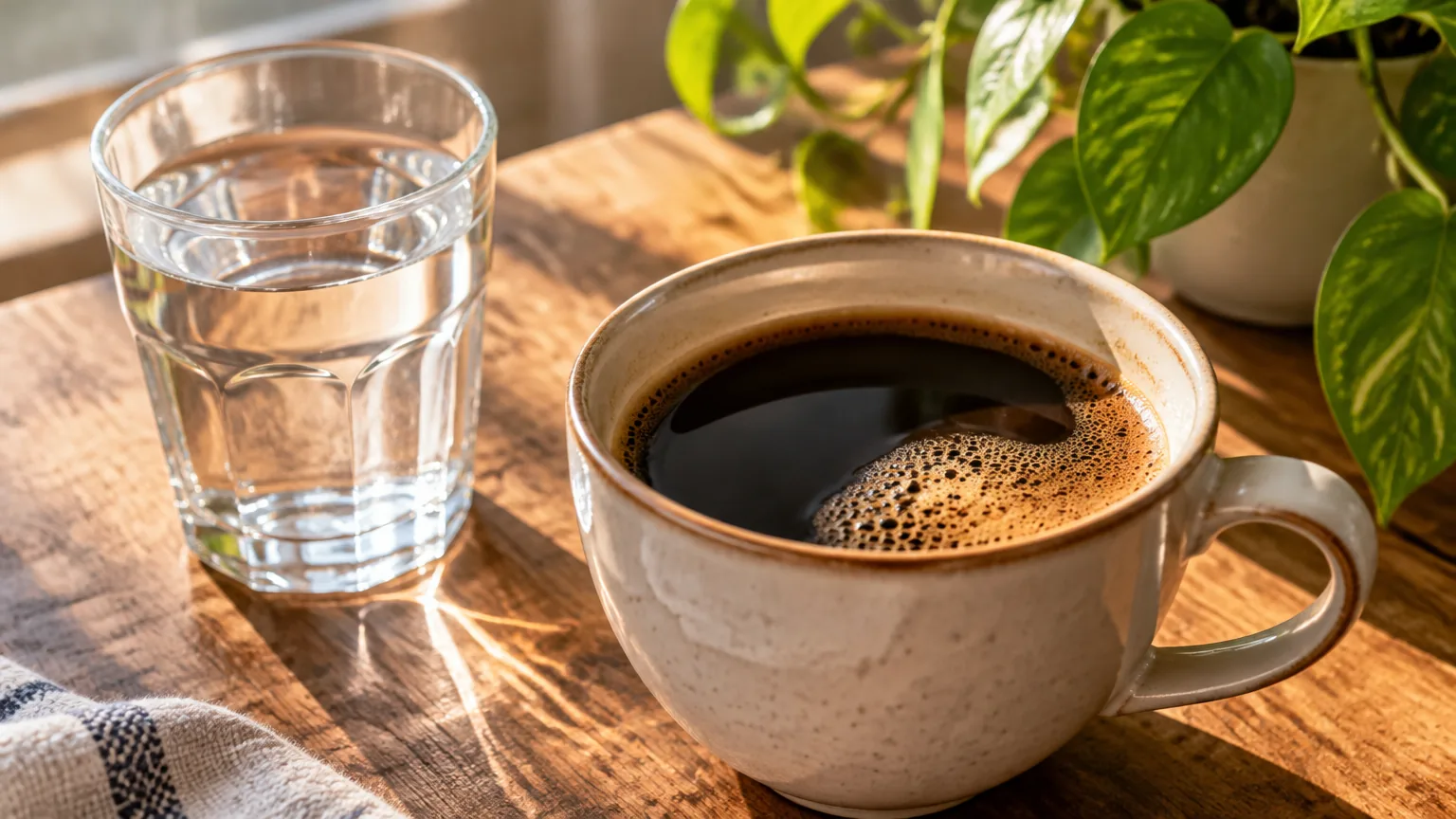
For plenty of Canadians, the morning doesn’t start until the coffee’s on. The kettle, the grinder, that first cup while the house is still quiet. It’s a ritual that asks nothing of you, which is exactly the point.
And lately, more people are quietly slipping something else into that same stretch of the day: a microdose, taken alongside the routine they already trust. Nothing dramatic. No laboratory swapped for a kitchen.
A small addition to an ordinary morning — and that’s a big part of why it appeals to people who’d never call themselves experimenters. If you’ve heard the term but never looked closely, this piece walks through how coffee and a microdose share a morning, what people tend to notice over the weeks, and a simple, low-fuss way to try it yourself. We’ll keep it grounded, Canadian, and honest about what’s reported versus what’s still being studied.
The pairing makes a certain sense. Coffee is already woven into the day’s rhythm, and habits tend to stick when they attach to something established. True for vitamins, true for a morning walk, true for a microdose.
Most people fold it into the same fifteen minutes the coffee already occupies instead of turning it into an event. The order reported most often is simple: coffee first, then the dose with breakfast. The reasoning is practical.
Caffeine takes a while to land, and food settles the stomach, so the coffee’s warmth and the morning meal do their work while the microdose settles in alongside them. By the time the workday starts, nothing feels abrupt — one smooth ramp into the day rather than two separate escalations.
So what are people after? In a widely cited study on psilocybin microdosing, participants reported improvements in mood and focus — the two things people say they want more of by mid-morning.
That tracks with what microdosers write online and tell each other: fewer dips, less fog, a steadier sense that the day is proceeding on schedule. Coffee gives a lift; people who microdose alongside it describe something more like a floor — a baseline that doesn’t sag the way it used to.
To be straight about the state of the research: the same body of work includes neutral findings, where some reported effects didn’t clearly separate from placebo on every measure, and researchers are still unpacking what that means. Microdosers tend to take that in stride. A calmer afternoon is a calmer afternoon, whatever the mechanism turns out to be — and the research community itself says the topic deserves more study, not less.
None of this is permission to ignore the law, and we’ll get to that below. Health Canada is clear that unauthorized production, sale, and possession of psilocybin mushrooms are illegal in Canada — their position is here.
Shops selling microdosing products exist in a grey area; some may be licensed for certain activities, many aren’t. Knowing where the law stands is part of being a thoughtful adult about all of this.
Ask around — forums, comment sections, the kitchen at a dinner party in Vancouver or Halifax — and you’ll hear many of the same notes. The first thing people mention is attention. Tasks that usually get abandoned halfway through somehow get finished.
The tab-hopping slows. Email gets answered in one sitting instead of nine. It isn’t a jolt of energy the way caffeine can be; it’s described more often as an absence of friction. The work was always doable. It just stops feeling like wading through wet sand.
Mood is the second theme. People talk about a lighter baseline — not euphoria, not the absence of bad days, but a general sense that small annoyances don’t stick. The slow pedestrian, the printer jam, the meeting that should have been an email: these still happen, and they simply cost less.
Some describe a quieting of the inner narrator that’s usually cataloguing everything that’s wrong. Others say they feel more patient with the people they love — which, if you ask them, is the part that made them keep going.
The afternoon is where the difference shows up most clearly, people say. Coffee’s lift has a well-known arc, and by two or three o’clock plenty of people are on the downhill side of it. Microdosers often describe the afternoon as flatter in the good sense — level, even, unremarkable. Steady.
Some find they want less coffee once the day feels steadier, and the second or third cup goes without much struggle. The coffee isn’t the enemy; it just stops being load-bearing.
A note on medication: if you’re taking something a doctor prescribed, don’t make changes on your own. Talk with your prescriber about what you’re considering, keep taking your medicine as directed, and bring your questions to them.
Plenty of people in that conversation go on to microdose anyway, and what they gain — the focus, the steadier mood, the easier afternoons — is worth a frank conversation with the person who knows your history best.

If you’re curious, the approach people recommend most is also the least dramatic one. No ceremony, no life overhaul. Coffee first, the dose with breakfast, then pay attention to the afternoon.
That’s the whole method. The simplicity is a feature.
Start with your coffee exactly as you normally make it. Don’t change the roast, don’t change the timing, don’t turn the morning into a project. When breakfast is on the table, take the dose with the food.
People find that a small amount of food in the stomach makes the whole morning gentler and more predictable — and breakfast is the meal that’s already there.
Then go about your day, and when the afternoon arrives, take a moment to notice how it feels. Not clinically — just a quick check-in. Did the post-lunch slump show up? The three o’clock restlessness? How was the tone of your replies to people?
Some people jot a line or two in a notebook; others just remember. Over a few weeks, patterns emerge, and those patterns tell you more than any single day. For a fuller walkthrough of amounts, schedules, and how people structure a routine, our dosing guide goes deep on all of it.
On products: people who want something made for mornings often reach for Sidekick, which is built around the focus people are usually chasing on a workday. Others gravitate toward Passion, which suits the energy people want for movement, projects, and the parts of the day that call for a bit more drive.
Both are designed to slot into an ordinary routine — coffee, breakfast, out the door — which is precisely the point.
Keep everything else as normal as possible while you try this. Same sleep, same meals, same walks if you take them. The fewer variables you change, the more honestly you can answer the only question that matters: is the afternoon different?
Is microdosing legal in Canada?
Not in the ordinary sense. Health Canada states that unauthorized production, sale, and possession of psilocybin mushrooms are illegal — their full position is here. There are narrow legal pathways, such as certain research and exemptions, and the shops you may have seen operate in a grey zone; some hold specific licences, many don’t. Anyone considering this should understand the legal landscape and make their own informed choice.
Do I have to give up coffee?
No. Most people don’t, and plenty keep their full coffee routine while microdosing. Some find that once the day feels steadier, they naturally want less coffee — the second cup stops feeling necessary. That’s a choice people drift into, not a rule anyone enforces.
Can I microdose while taking a prescribed medication?
That’s a conversation to have with your prescriber first. Don’t adjust or stop any prescribed medicine on your own. Many people who have that conversation go on to microdose and report the same gains others describe — better focus, steadier mood, easier afternoons — but the starting point is an honest chat with the person who prescribed it.
How will I know if it’s doing anything?
Watch the afternoon. That’s where people say the change is most legible — the absence of the mid-afternoon slide, a more even temper, tasks finishing without the usual push. One day won’t tell you much. Give it a consistent stretch and note what you notice, even briefly.
What’s the difference between Sidekick and Passion?
Sidekick is oriented toward focus — the workday, the to-do list, the deep task you’ve been avoiding. Passion leans into energy and drive, which people favour for movement, creative work, and the parts of life that need momentum. Both fit into the same morning routine described above.
Where can I learn more about schedules and amounts?
Our dosing page covers the routines people use, common schedules, and how to think about consistency over time. It’s the best single resource we’ve written for people starting out.
However you approach it, the pattern that works for most people is the unglamorous one: coffee, breakfast, dose, and an ordinary day that runs a little smoother than it used to. Sometimes that’s all anyone was looking for.
Comments
There are no comments yet.